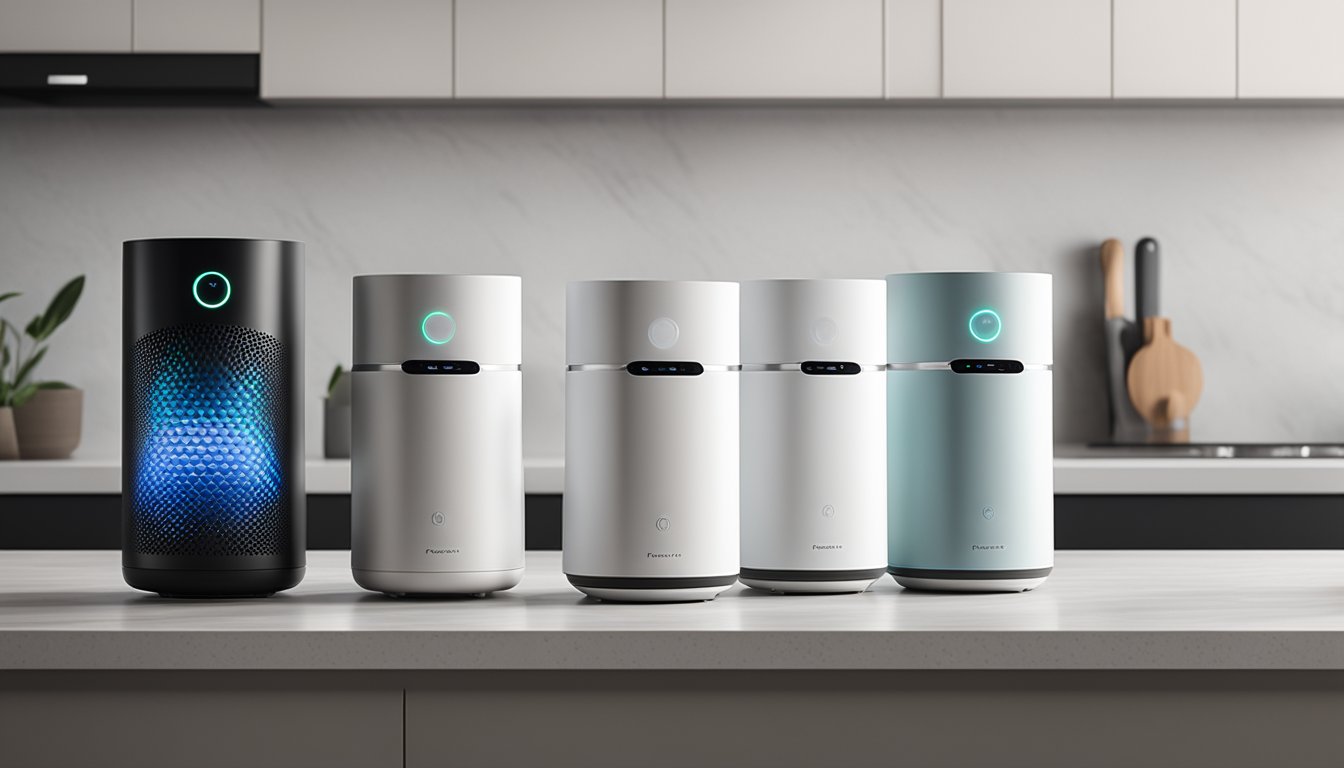
The Top 4 Brands of Portable Air Purifiers for Home Use: Breathe Easy in 2025
Air purifiers have become essential household appliances for many people. They help remove pollutants, allergens, and other harmful particles from indoor air. This can lead to better breathing and improved overall health for those living in the home.
Portable air purifiers offer flexibility and convenience for homeowners who want to improve air quality in different rooms. These devices come in various sizes and styles to suit different needs and spaces. When choosing an air purifier, it’s important to consider factors like room size, filtration technology, and noise levels. We’ll explore some top brands that offer effective portable air purifiers for home use.
1) Dyson Pure Cool TP04
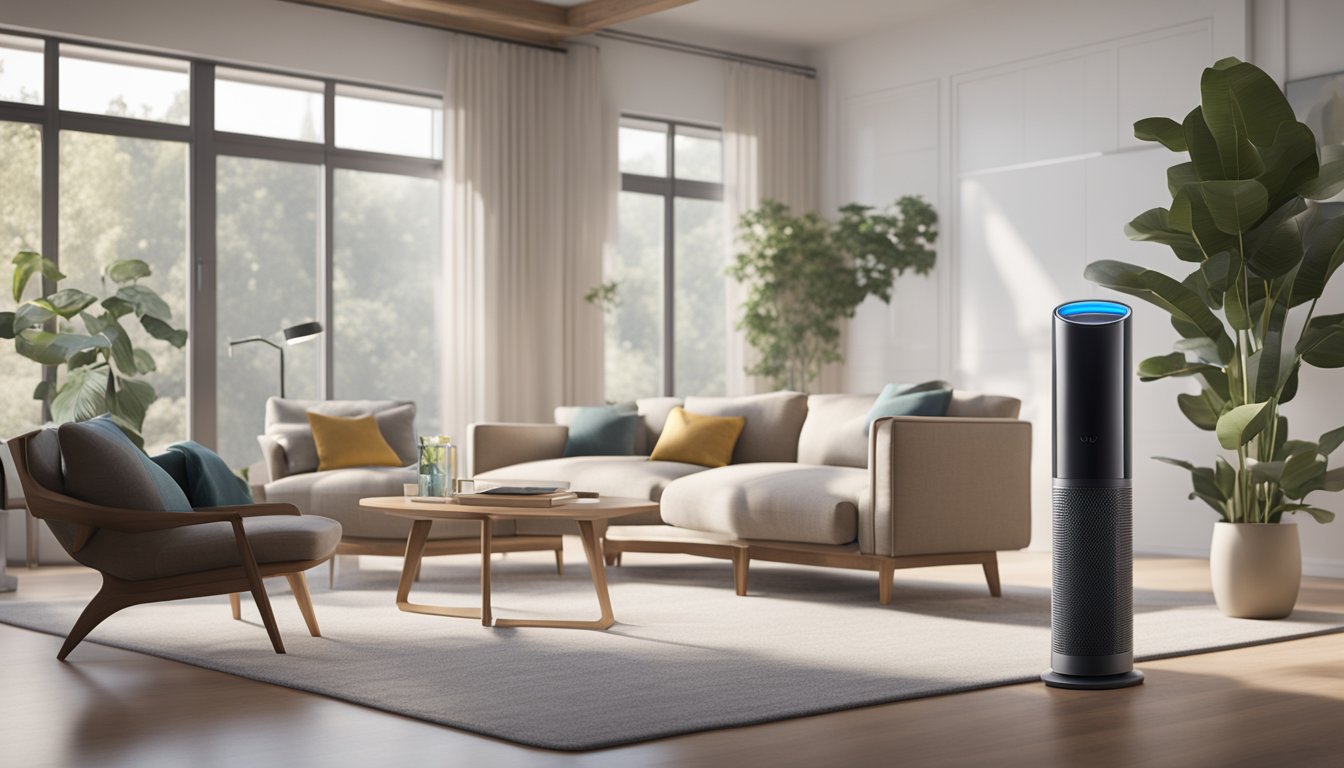
The Pure Cool TP04 is a top-performing air purifier and fan combo. It uses HEPA filtration to remove 99.97% of particles as small as 0.3 microns from the air.
This model features a sleek tower design that stands over 40 inches tall. It oscillates to distribute purified air throughout a room.
The TP04 has advanced sensors to detect airborne particles and gases. It displays real-time air quality information on an LCD screen and through a smartphone app.
We found this purifier performs well in tests, dramatically improving air quality. In one test, it reduced PM2.5 levels from 7.2 to 0.2 – a 97% improvement.
The unit includes helpful features like a night mode, sleep timer, and backward airflow option. Its 350-degree oscillation helps purify air in large spaces up to 800 square feet.
While pricey, the TP04 offers powerful air cleaning in a stylish package. Its effectiveness and smart features make it a strong choice for many homes.
2) Levoit Core 300
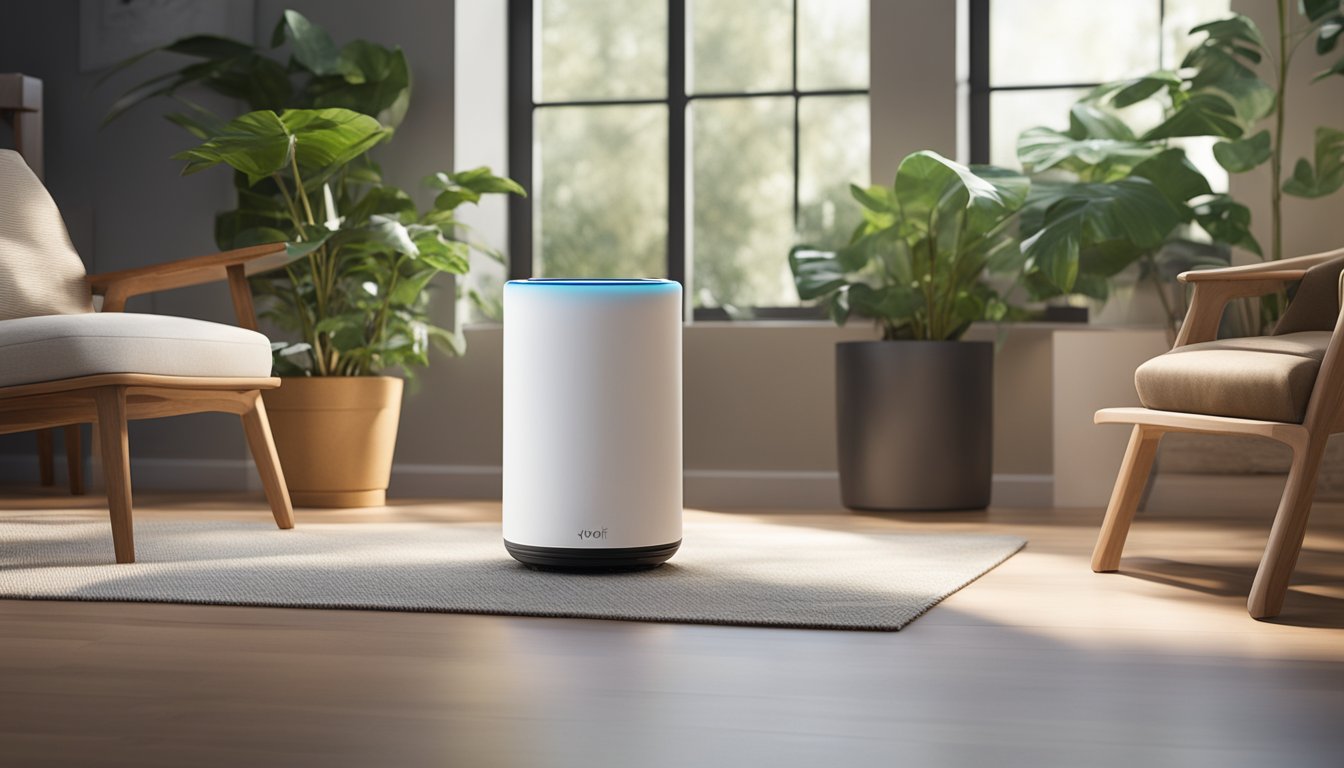
The Core 300 is a compact air purifier that packs a punch. It’s designed for rooms up to 215 square feet, making it ideal for bedrooms and home offices.
This model uses a three-stage filtration system. It includes a pre-filter, HEPA filter, and activated carbon filter. These work together to remove dust, allergens, and odors from the air.
We appreciate the Core 300’s quiet operation. It has a sleep mode that keeps noise levels as low as 24 decibels. This means it won’t disturb your rest or work.
The purifier’s VortexAir Technology helps distribute clean air evenly throughout the room. It can cycle air up to 5 times per hour, ensuring thorough purification.
Maintenance is straightforward with this model. The filter replacement indicator lets you know when it’s time for a change. This takes the guesswork out of upkeep.
The Core 300 also offers different filter options. You can choose specialized filters for pet allergies, toxin absorption, or mold reduction. This customization allows you to target specific air quality concerns in your home.
3) Blueair Blue Pure 411
The Blue Pure 411 is a compact air purifier designed for smaller spaces. It can clean rooms up to 161 square feet and cycles the air 4.8 times per hour in such areas.
This model uses a three-stage filtration system. It includes a washable pre-filter, a particle filter, and an activated carbon filter. These work together to remove allergens, odors, and other airborne particles.
We found the Blue Pure 411 to be very energy efficient. Tests show it uses only 9.7 watts of power at its highest setting. This makes it one of the most efficient options in its size class.
The device is lightweight at just 3.4 pounds. It’s also quite small, standing only 16.7 inches tall. This makes it easy to move around or place on a desk or shelf.
Operation is simple with a one-button control. Users can select from three fan speeds: low, medium, or high. The unit also runs quietly, especially on lower settings.
4) Honeywell HPA300
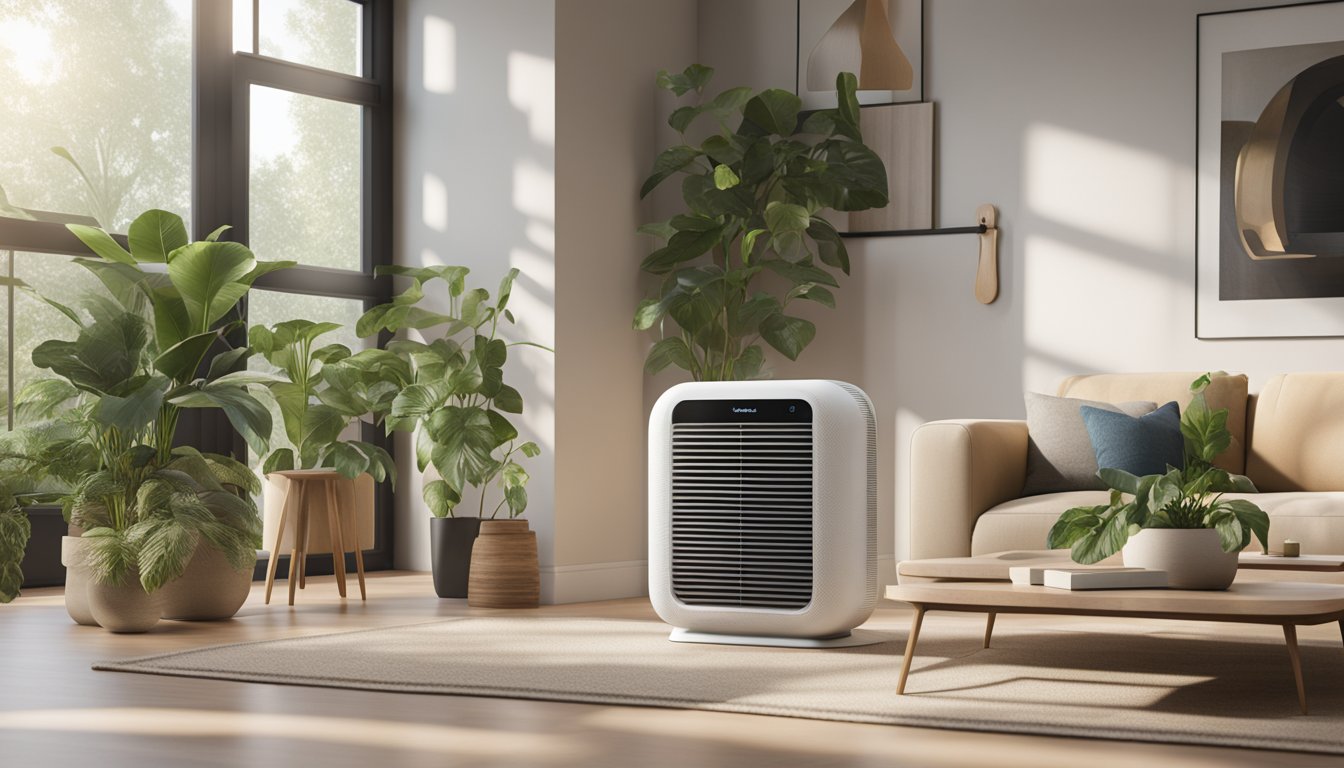
The HPA300 is a popular air purifier designed for large rooms up to 465 square feet. It uses True HEPA filtration to capture up to 99.97% of airborne particles as small as 0.3 microns.
This model offers multiple fan speeds and a turbo setting for quick air cleaning. We appreciate its ability to filter dust, pollen, pet dander, and smoke effectively.
The HPA300 includes an activated carbon pre-filter to reduce odors. It also features a filter replacement indicator to remind users when it’s time for maintenance.
We found the controls simple to use, with clearly labeled buttons. The unit allows users to set a timer for 2, 4, or 8 hours of operation.
At 16.5 pounds, it’s on the heavier side for a portable air purifier. However, its powerful performance makes it a strong choice for large spaces.
While not the quietest option, the white noise produced can be soothing for some users. Overall, the HPA300 offers reliable air purification for those needing coverage in bigger rooms.
Factors to Consider When Choosing a Portable Air Purifier
Picking the right portable air purifier involves weighing several key aspects. These factors can make a big difference in how well the device fits your needs and performs in your space.
Room Size
The size of the room where you’ll use the air purifier is crucial. We need to match the device’s capacity to the space it will clean.
For small rooms up to 300 square feet, a CADR rating of 100-200 is often enough. Medium rooms between 300-500 square feet need a CADR of 200-400. Large rooms over 500 square feet require a CADR above 400.
It’s better to choose a purifier rated for a slightly larger area than your room. This ensures it can clean the air effectively, even on lower settings.
Remember, ceiling height matters too. Rooms with high ceilings need more powerful units.
Filtration Technology
The type of filter in an air purifier determines what it can remove from the air.
HEPA filters are the gold standard. They capture 99.97% of particles as small as 0.3 microns. This includes dust, pollen, and some bacteria.
Activated carbon filters are great for odors and gases. They absorb smoke, cooking smells, and VOCs.
Some units use UV-C light to kill germs. Others have ionizers to help catch particles.
We recommend looking for purifiers with both HEPA and carbon filters for the best all-around performance.
Noise Levels
Air purifiers can be noisy, which matters if you plan to use them while sleeping or working.
Noise is measured in decibels (dB). A good rule of thumb:
- Under 50 dB: Quiet enough for bedrooms
- 50-60 dB: OK for living areas
- Over 60 dB: May be too loud for comfort
Many purifiers have multiple speed settings. Lower speeds are quieter but clean less air.
Look for units with “sleep” or “quiet” modes. These run at very low noise levels, often under 30 dB.
Some high-end models use advanced fan designs to reduce noise without sacrificing performance.
Benefits of Using Portable Air Purifiers
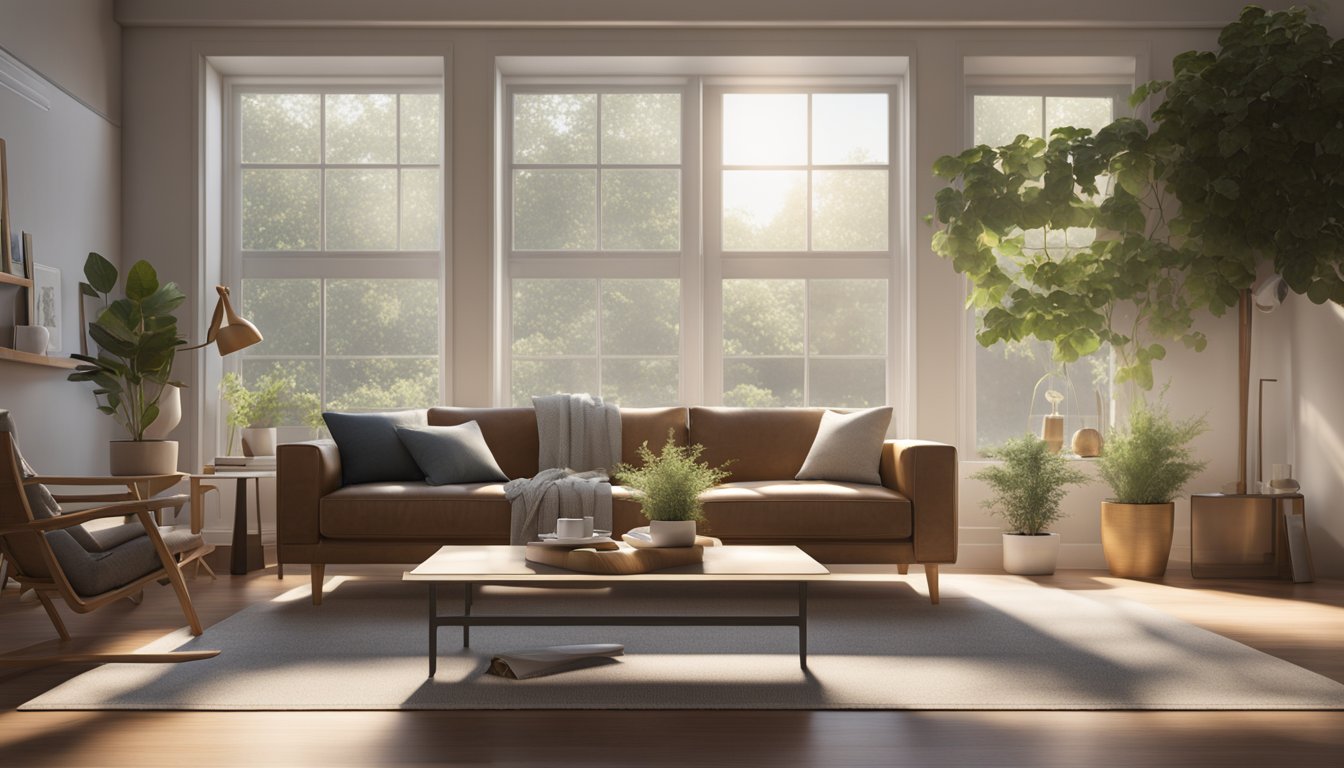
Portable air purifiers offer several key advantages for home use. They can make a big difference in your living space and daily life. Let’s look at the main benefits.
Improved Air Quality
Portable air purifiers work hard to clean the air you breathe. They remove tiny particles like dust, pollen, and pet dander from the air. This means less stuff floating around that can bother you.
Many units use HEPA filters. These catch very small particles. Some can trap things as tiny as 0.3 microns. That’s really small!
Air purifiers also help get rid of bad smells. They can tackle odors from cooking, pets, or smoke. This leaves your home smelling fresh and clean.
For homes with pets or smokers, these devices are extra helpful. They work non-stop to keep the air clear of fur, dander, and smoke particles.
Health Benefits
Clean air is good for your health. Air purifiers can help people with allergies or asthma. They remove triggers like pollen and dust from the air.
By catching airborne germs, these devices might lower your chances of getting sick. Some models can even trap viruses and bacteria.
Better air quality can lead to better sleep. You might find you breathe easier at night with an air purifier in your bedroom.
For those with breathing issues, air purifiers can make a big difference. They create a cleaner environment that’s easier on your lungs.
Energy Efficiency
Many portable air purifiers are designed to be energy-efficient. They use less power than you might think. This means lower electricity bills for you.
Some models have smart features. They can turn on and off based on air quality. This saves even more energy.
ENERGY STAR certified air purifiers use about 40% less energy than standard models. That’s a big saving over time.
The size of the unit matters too. Smaller rooms need less powerful purifiers. This means less energy use. It’s important to pick the right size for your space.
Frequently Asked Questions
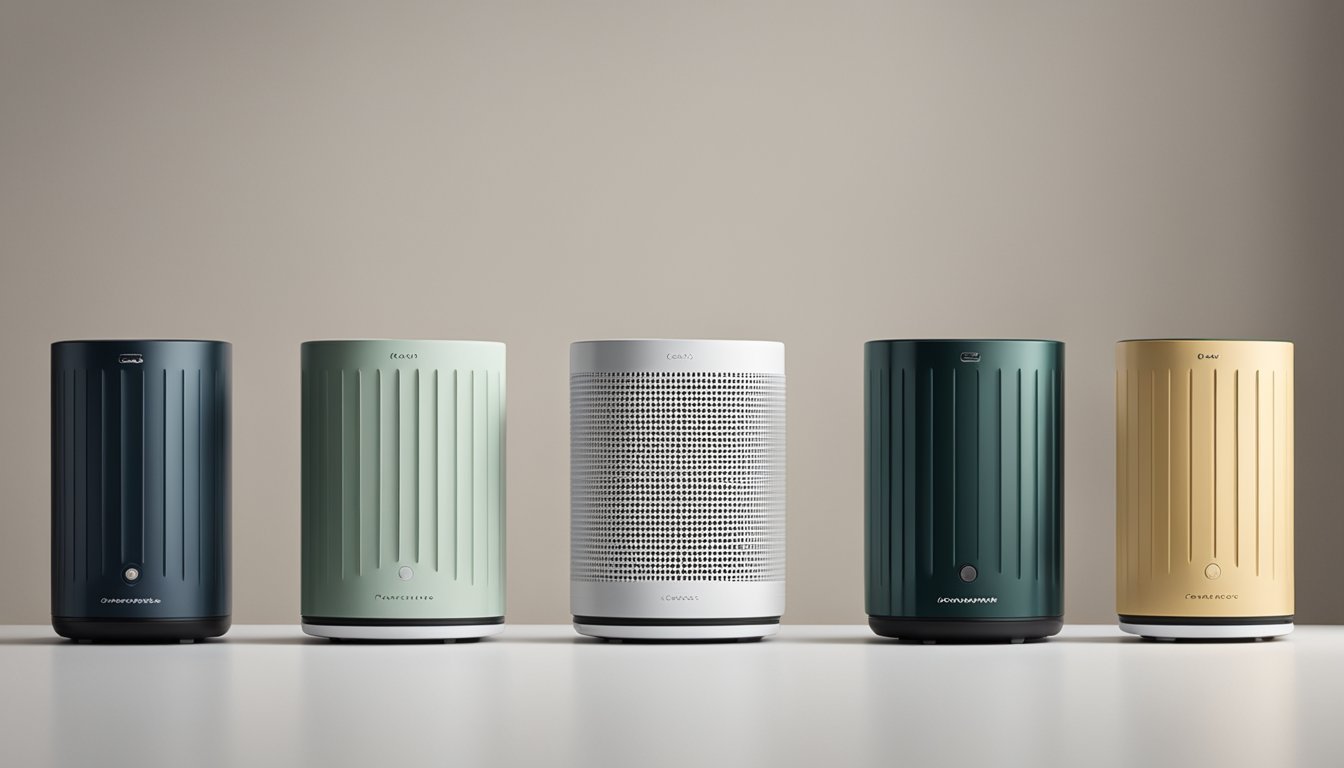
Portable air purifiers offer many benefits for improving indoor air quality. We’ll cover key features to look for and how these devices can help with common air quality concerns.
What are the main features to compare when choosing a portable air purifier?
When shopping for an air purifier, we recommend comparing the Clean Air Delivery Rate (CADR). This measures how quickly a unit filters particles. Look at the recommended room size too. Check for HEPA filtration and multiple fan speeds. Some units have air quality sensors and smartphone controls.
How do air purifiers improve indoor air quality for allergy sufferers?
Air purifiers can greatly help allergy sufferers. They remove common allergens like pollen, pet dander, and dust mites from the air. HEPA filters catch particles as small as 0.3 microns. This can reduce allergy symptoms and improve breathing. Running an air purifier regularly keeps allergen levels low.
Can portable air purifiers effectively remove mold spores from the air?
Yes, most portable air purifiers can remove mold spores. HEPA filters catch mold particles down to 0.3 microns in size. Some units have activated carbon filters too. These absorb mold odors. For best results, we suggest using the purifier along with fixing the source of mold growth.
What are the benefits of using a portable air purifier in the bedroom?
Using an air purifier in the bedroom can improve sleep quality. It filters out allergens, dust, and odors overnight. This leads to easier breathing and less congestion. Many units have quiet sleep modes. Some even produce white noise to mask other sounds. Cleaner air may result in fewer allergy symptoms upon waking.
Which air purifiers are known for best handling dust in the home environment?
For dust removal, we recommend looking for air purifiers with high CADR ratings for dust. HEPA filtration is a must. Units with pre-filters catch larger dust particles first. This extends the life of the main filter. Models with air quality sensors can adjust to dust levels automatically.
Are there significant differences between popular air purifier brands?
Different brands offer varying features and technologies. Some focus on sleek design, while others prioritize powerful filtration. Noise levels can differ between brands. Filter replacement costs and energy efficiency also vary. We suggest comparing specific models rather than just brands. Look at independent test results to see real-world performance.