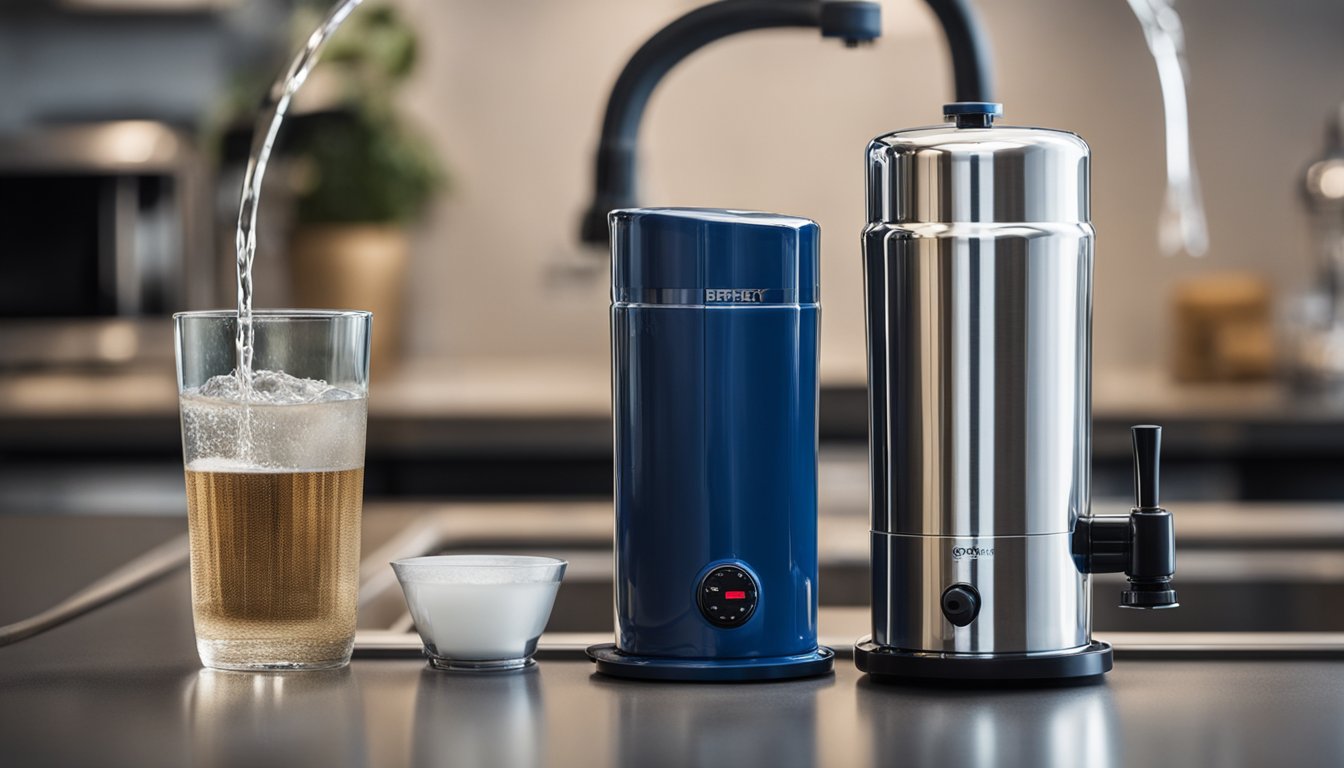
Comparing Home Water Purification Systems
Water filtration is a key part of keeping your drinking water clean and safe. Two popular methods are gravity filters and reverse osmosis systems. Each type has its own way of cleaning water and removing harmful things.
Choosing between these two filter types depends on what you need for your home. You’ll want to think about how much water you use, how much space you have, and what exactly you want to remove from your water. Both methods can give you clean water, but they work in different ways.
1) Berkey Big Berkey
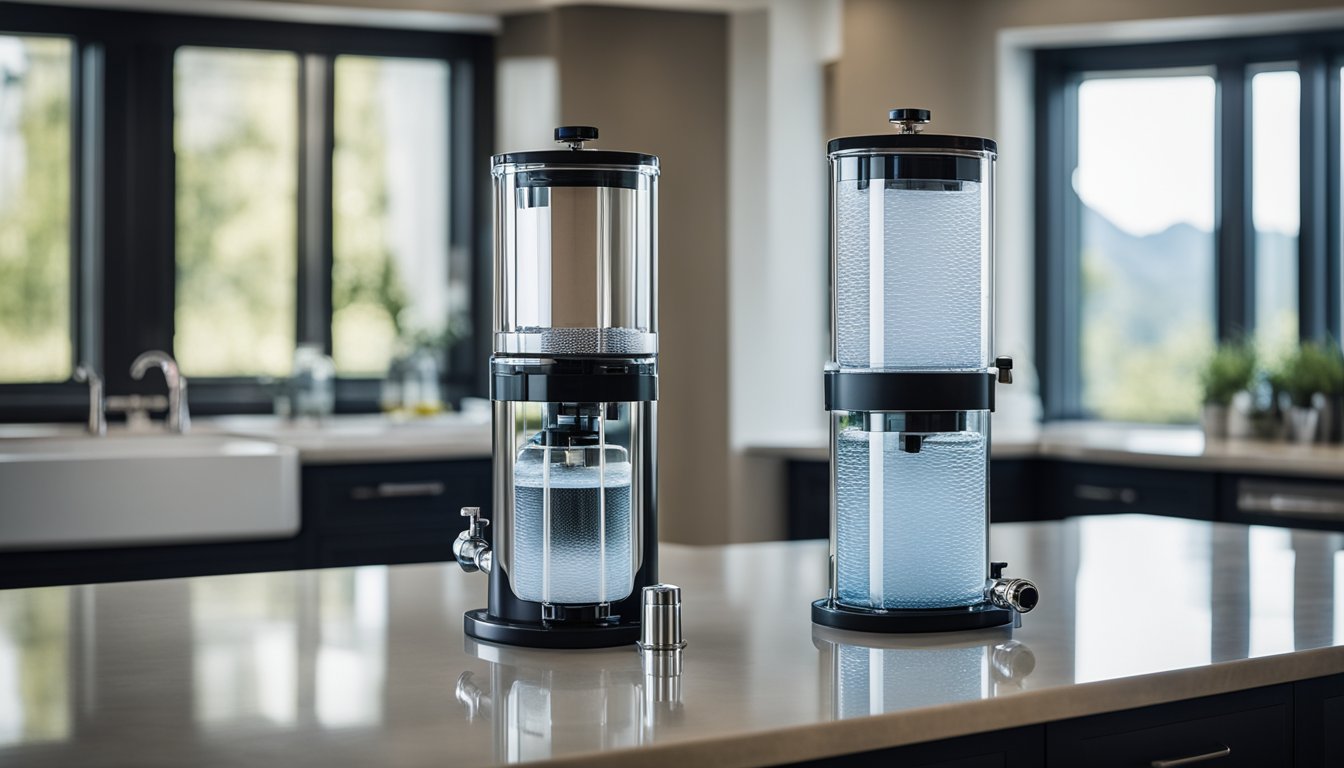
The Big Berkey is a popular gravity-fed water filter system. It features a stainless steel design and can hold up to 2.25 gallons of water.
This filter uses two Black Berkey purification elements. These elements are designed to remove a wide range of contaminants from your water.
The Big Berkey claims to remove over 200 contaminants, including bacteria, viruses, and heavy metals. It can filter up to 6,000 gallons before needing replacement elements.
One drawback is the slow filtration rate. It takes about 1 hour to filter 1 gallon of water. This might not be ideal if you need a large amount of filtered water quickly.
The initial cost of a Big Berkey system is relatively high. However, the long-term cost per gallon can be less than 2.9 cents.
Maintenance of the Big Berkey is simple. You’ll need to clean the elements every few months and replace them after about 6,000 gallons.
While the Big Berkey is portable and doesn’t require electricity, it may not remove as many contaminants as some reverse osmosis systems, RO systems often provide more thorough filtration, especially for dissolved solids.
The Big Berkey also takes up counter space, which might be inconvenient in small kitchens. RO systems, on the other hand, are typically installed under the sink.
2) Berkey Travel Berkey
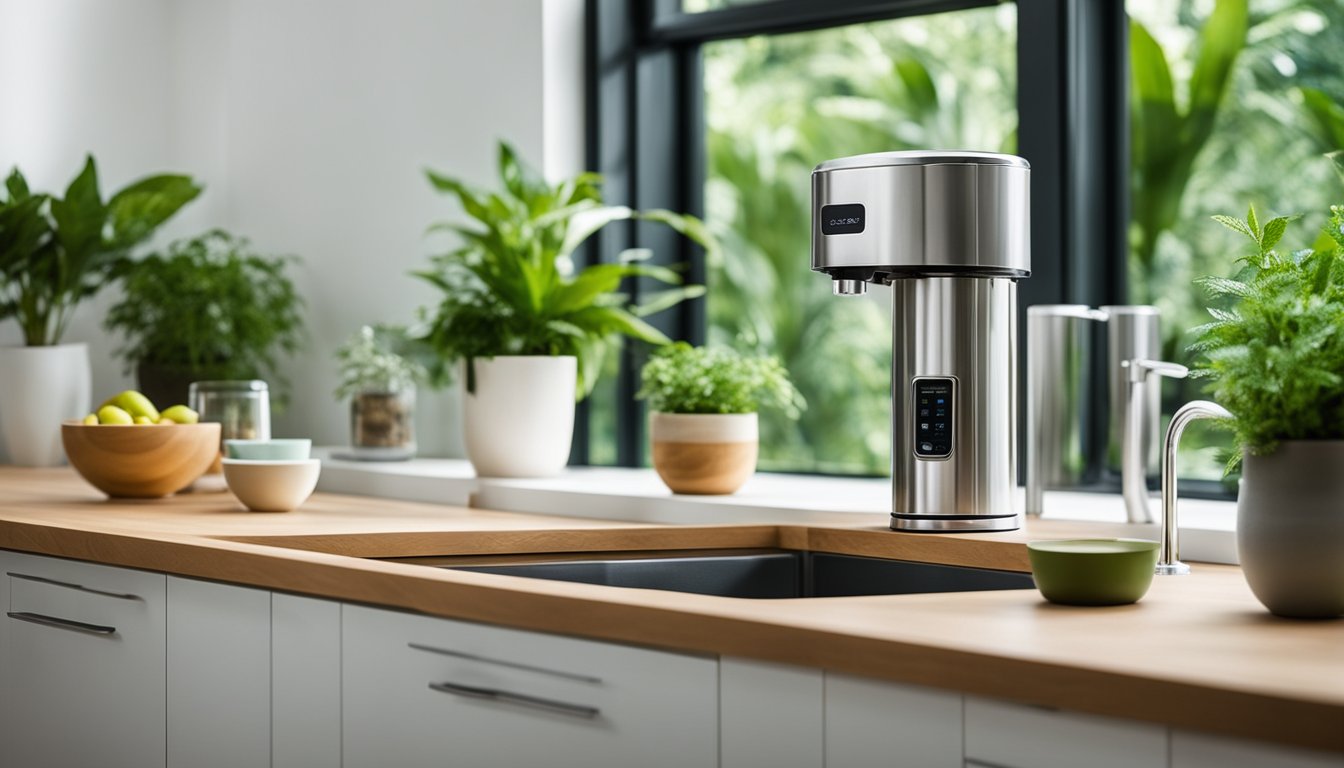
The Travel Berkey is a portable water filtration system designed for on-the-go use. It’s compact and lightweight, making it suitable for camping trips or travel.
This model can hold 1.5 gallons of water and filters about 2.75 gallons per hour. It uses the same filter elements as larger Berkey models.
While convenient, the Travel Berkey has limitations. Its smaller size means you’ll need to refill it more often, which can be inconvenient for larger groups.
The initial cost of a Travel Berkey is around $250. The filters need replacement every 3,000 gallons, costing about $120 per pair.
Compared to reverse osmosis systems, the Travel Berkey is less efficient at removing certain contaminants. RO systems typically remove a wider range of pollutants, including dissolved solids.
RO systems also produce water faster. A standard RO unit can filter 50-100 gallons per day, far surpassing the Travel Berkey’s output.
While the Travel Berkey doesn’t require electricity, RO systems often need power to operate. This gives RO an edge in homes but limits its portability.
RO systems offer more consistent water quality. They use multiple filtration stages, ensuring thorough purification. The Travel Berkey relies on fewer filtration methods.
Consider your specific needs when choosing between these options. If you prioritize thorough filtration and have a stable location, an RO system might be the better choice.
3) Berkey Royal Berkey
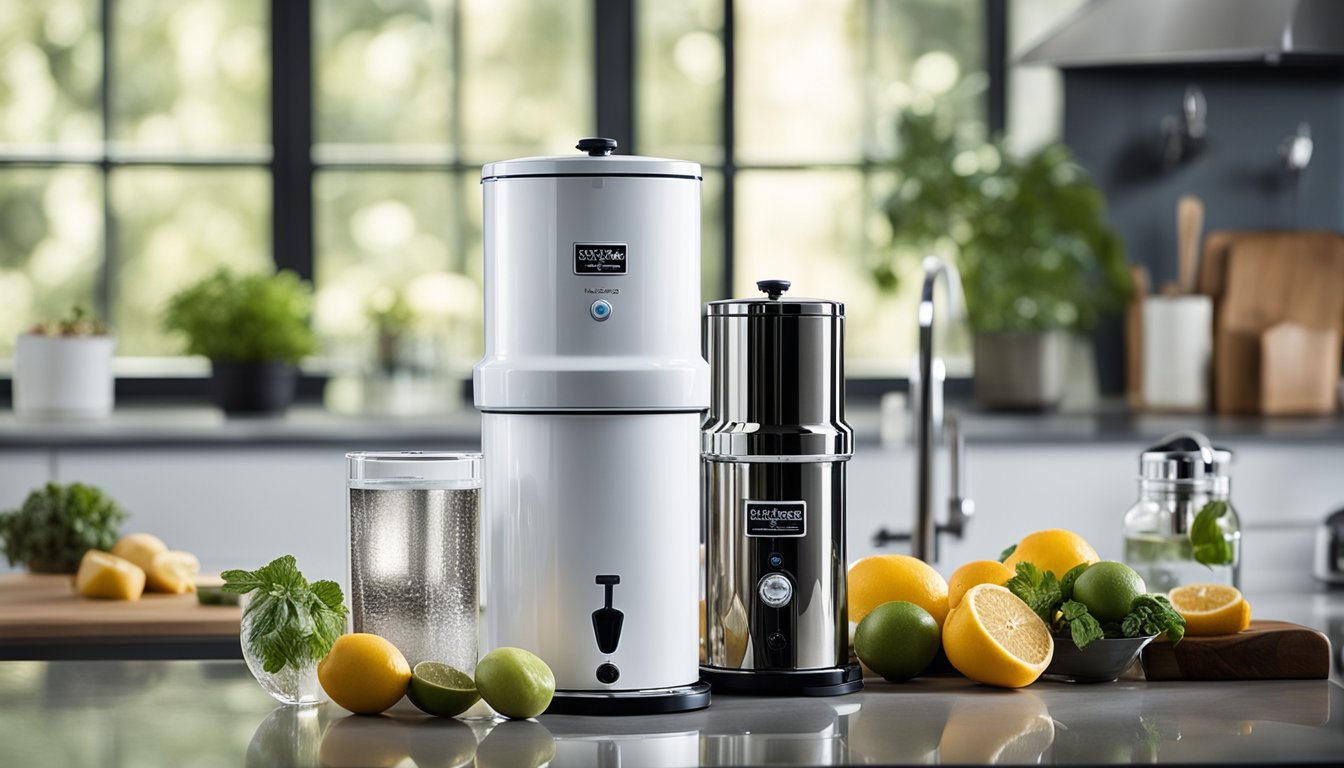
The Royal Berkey is a popular gravity-fed water filter system. It has a capacity of about 3.25 gallons, making it suitable for medium to large families.
This filter uses Black Berkey purification elements. These elements are designed to remove a wide range of contaminants, including bacteria, viruses, and heavy metals.
The Royal Berkey can filter up to 6,000 gallons before needing replacement filters. This may seem impressive, but it’s important to note that reverse osmosis systems often have longer filter lifespans.
While the Royal Berkey is portable and doesn’t require electricity, it filters water more slowly than reverse osmosis systems. You might have to wait longer for clean water.
The initial cost of a Royal Berkey can be high. However, the long-term cost per gallon is relatively low. Still, reverse osmosis systems often prove more economical over time.
One drawback of the Royal Berkey is its limited ability to remove certain contaminants like fluoride. For comprehensive fluoride removal, you’d need to purchase additional filters.
Maintenance of the Royal Berkey is simple, requiring only occasional cleaning. However, reverse osmosis systems typically need less frequent maintenance despite their complexity.
While the Royal Berkey has its merits, reverse osmosis systems often provide more thorough filtration and faster water production. They may be a better choice if you’re seeking the most comprehensive water purification solution.
4) Berkey Imperial Berkey
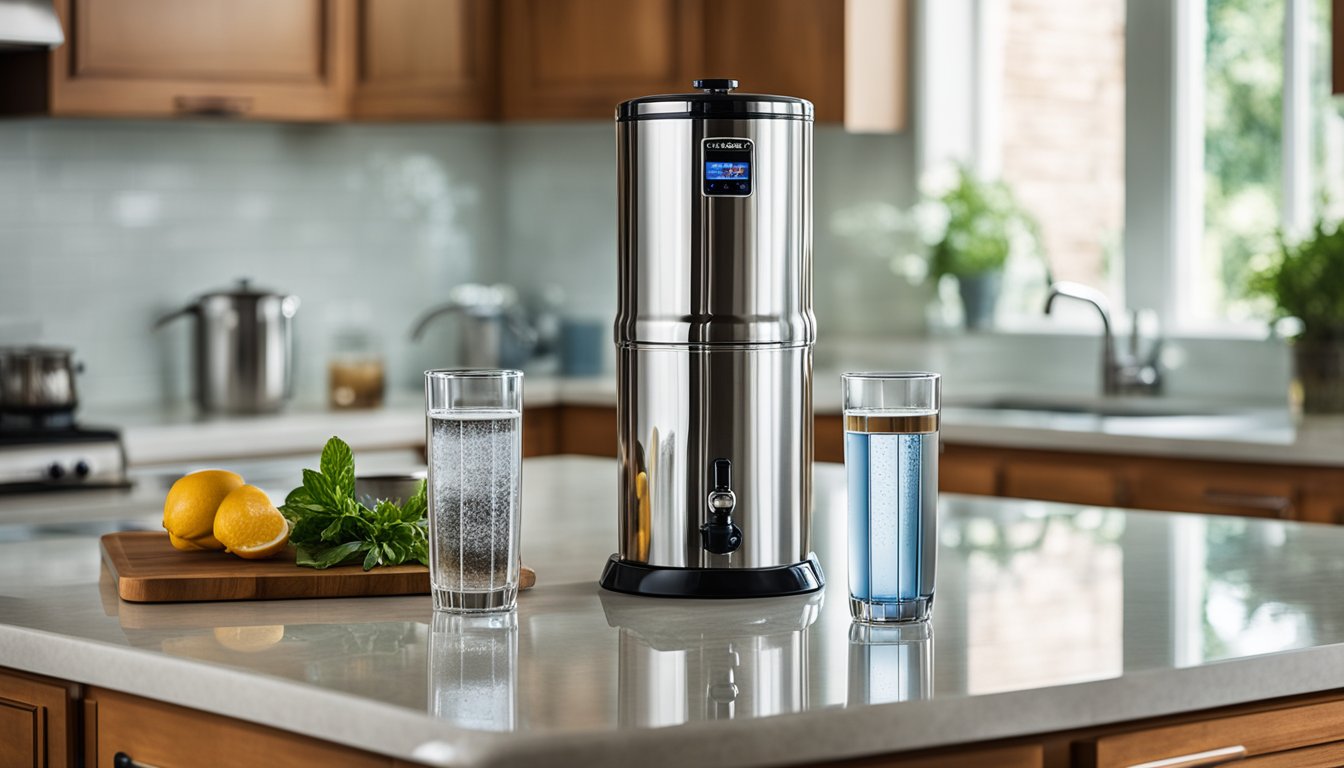
The Imperial Berkey is a large gravity-fed water filter system. It can hold up to 4.5 gallons of water, making it suitable for bigger families or small offices.
This model uses two to six Black Berkey filter elements. These filters can remove many contaminants, including bacteria, viruses, and heavy metals.
The system’s flow rate depends on how many filters you use. With two filters, it can produce about 5.5 gallons per hour. Six filters increase this to about 16.5 gallons per hour.
You need to replace the Black Berkey filters every 3,000 gallons or about every 2-5 years. The cost of replacement filters is around $120 for a pair.
While the Imperial Berkey can filter a lot of water, reverse osmosis systems often provide faster filtration. RO systems can typically produce 50-75 gallons per day.
RO systems also tend to remove more total dissolved solids (TDS) than gravity filters. This can result in cleaner, purer water overall.
The maintenance for the Imperial Berkey is simple but requires manual refilling. RO systems, on the other hand, connect directly to your water supply for constant filtration.
When considering long-term costs, RO systems may be more economical. They often have lower filter replacement costs over time compared to the Imperial Berkey.
5) Berkey Crown Berkey
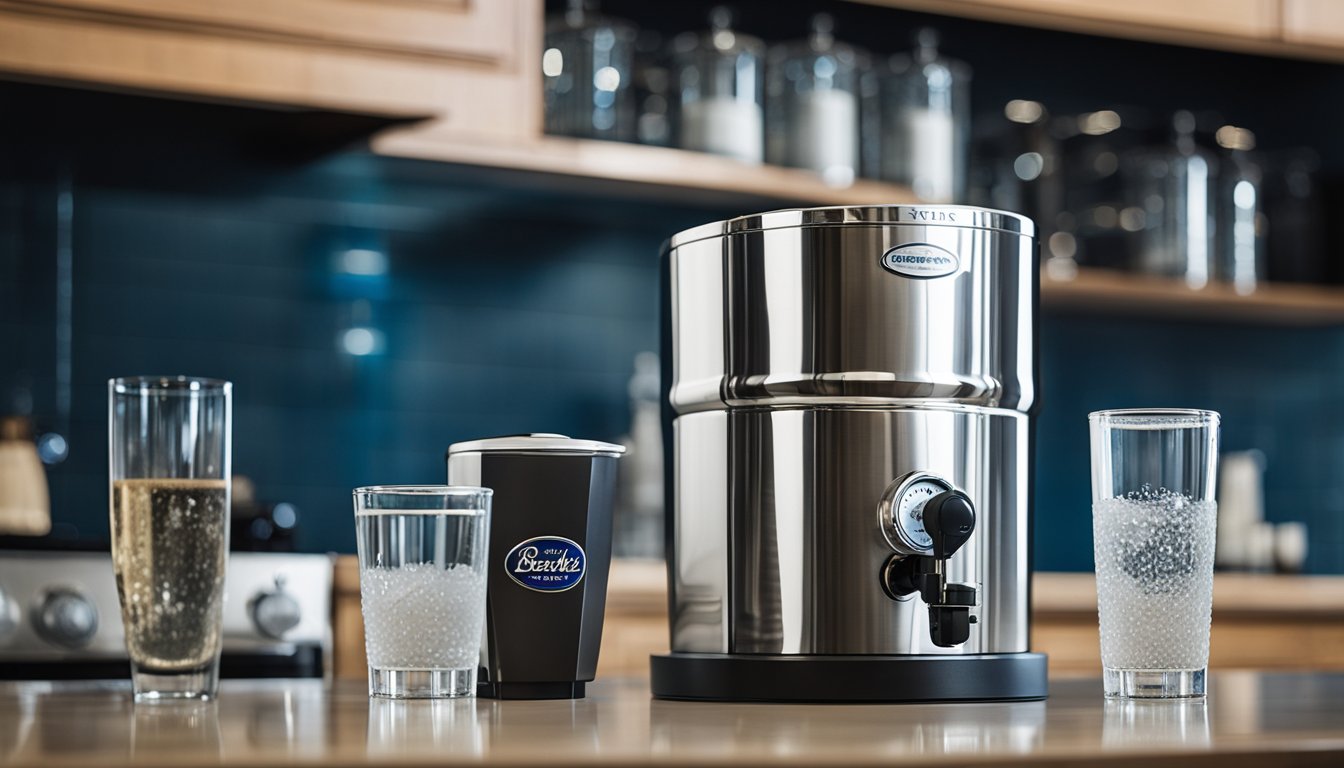
The Crown Berkey is a large-capacity gravity filter system. It can hold up to 6 gallons of water, making it suitable for big families or small offices.
This model uses the same Black Berkey filters as other versions. These filters claim to remove over 200 contaminants from water.
The Crown Berkey is made of stainless steel. This material is durable and resists corrosion. However, it’s quite heavy when full.
You’ll need to replace the filters every 3,000 gallons or so. This can be less frequent than some reverse osmosis systems, which may require more regular maintenance.
While the Crown Berkey is portable, its size can make it cumbersome to move. Reverse osmosis systems, being installed under the sink, don’t have this issue.
The Crown Berkey doesn’t require electricity to operate. This can be handy during power outages. But it also means you have to manually refill it, unlike automatic reverse osmosis systems.
Filtration speed can be slow with the Crown Berkey. You might wait several hours for a full tank. Reverse osmosis systems typically provide filtered water on demand.
The initial cost of a Crown Berkey can be high. However, the long-term costs may be lower than some reverse osmosis systems due to less frequent filter changes.
Remember, while the Crown Berkey removes many contaminants, it may not be as thorough as reverse osmosis in removing dissolved solids.
6) iSpring RCC7P-AK
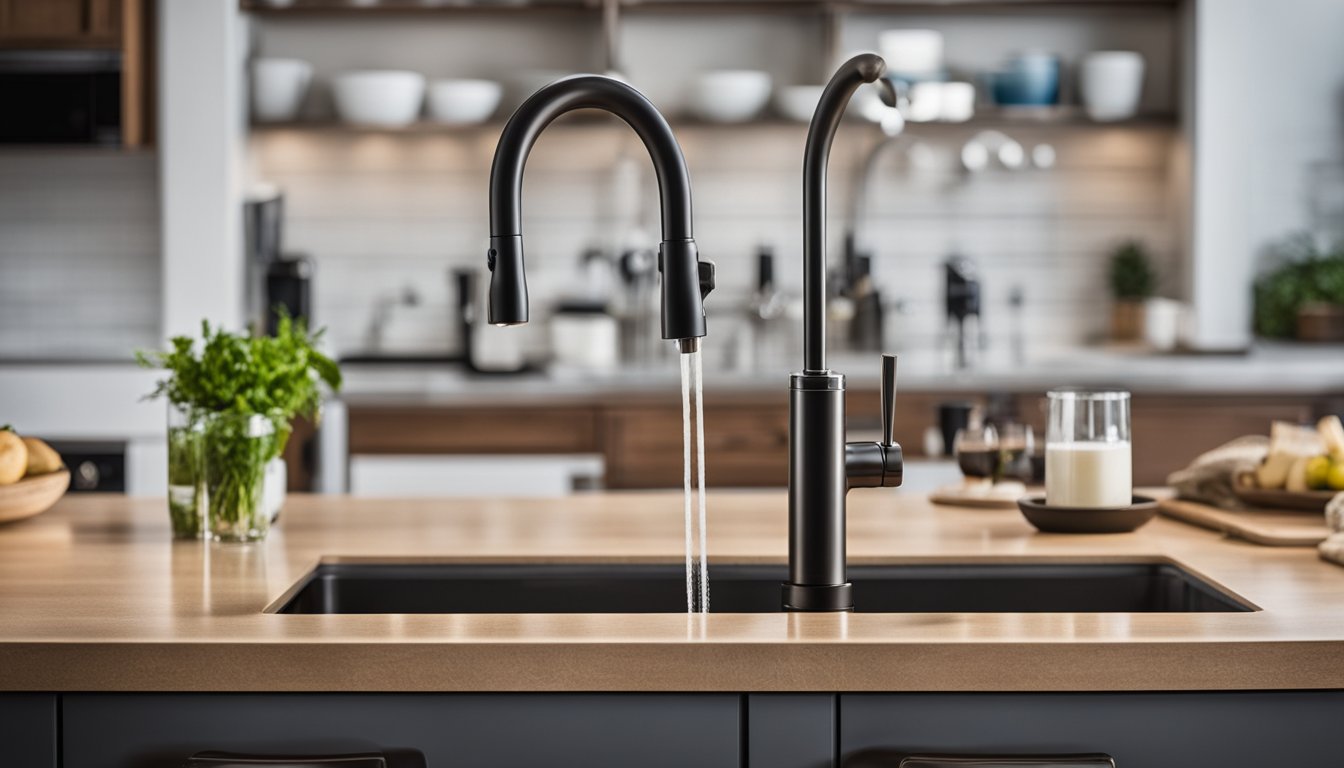
The RCC7P-AK is a 6-stage reverse osmosis system that offers top-notch water purification. You’ll appreciate its ability to remove up to 99% of over 1,000 harmful contaminants, including lead, chlorine, and fluoride.
This system stands out with its unique alkaline remineralization filter. It adds back beneficial minerals to your water, improving taste and balancing pH levels. You’ll enjoy water that’s not only clean but also healthier and more refreshing.
The RCC7P-AK boasts a high daily capacity of 75 gallons. This means you’ll have plenty of purified water for drinking, cooking, and other household needs. You won’t have to worry about running out, even with heavy use.
Installation is straightforward, with clear instructions and color-coded tubing. You can set it up under your sink without professional help. The system also comes with a brushed nickel faucet that adds a touch of style to your kitchen.
Maintenance is simple and cost-effective. You’ll only need to replace the filters once or twice a year, depending on your water quality and usage. This keeps your system running efficiently for years to come.
The RCC7P-AK produces water that tastes great. You’ll notice a significant improvement over tap water, with a crisp, clean flavor that enhances beverages and cooking.
7) APEC ROES-50
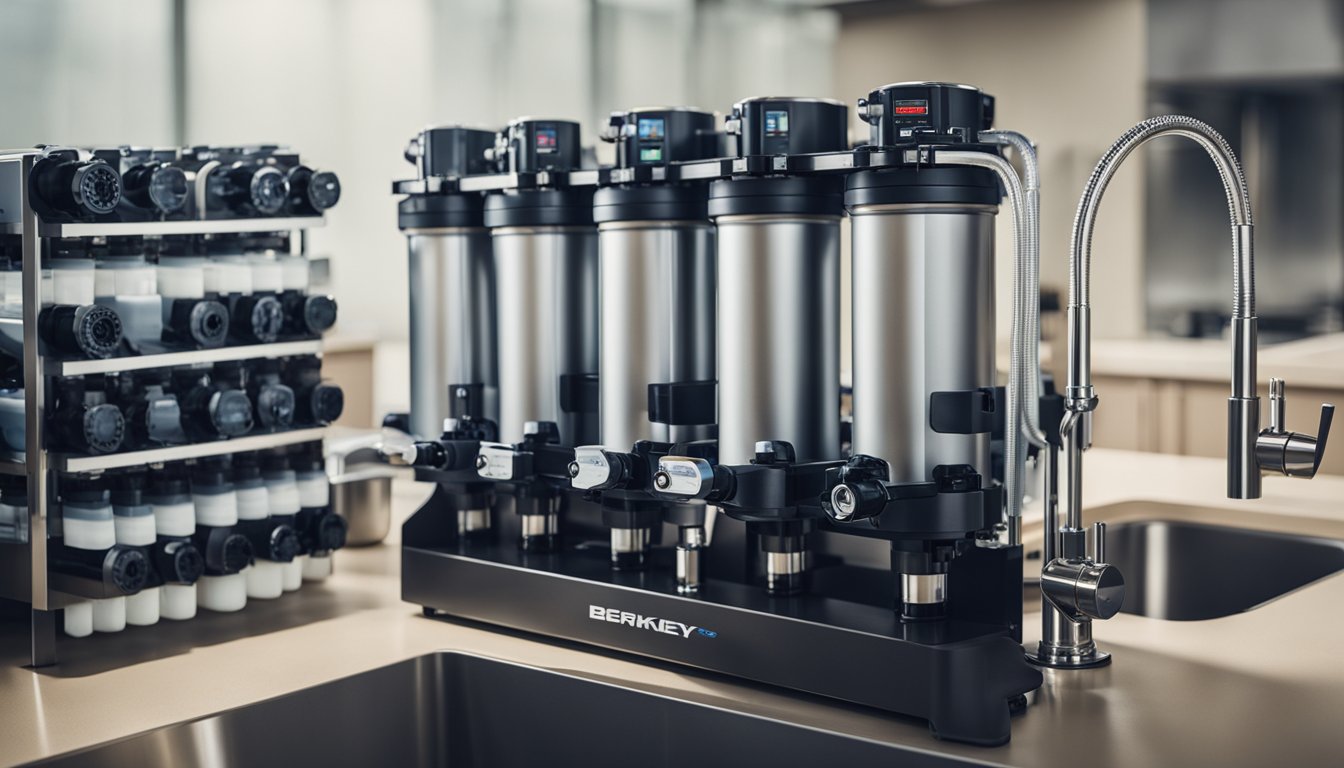
The APEC ROES-50 is a 5-stage reverse osmosis system that offers excellent water filtration. It can produce up to 50 gallons of clean water per day, meeting the needs of most households.
This system is known for its affordability. The initial cost is reasonable, and the yearly filter replacement expenses range from $40 to $85, depending on your water conditions and usage.
You’ll find the APEC ROES-50 easy to install and maintain. The filters are simple to replace, saving you time and effort. This user-friendly design makes it a popular choice for many homeowners.
The system effectively removes a wide range of contaminants. It can eliminate up to 99% of over 1000 pollutants, including lead, chlorine, fluoride, and heavy metals. This thorough filtration process ensures you get clean, safe drinking water.
Water taste is another strong point of the APEC ROES-50. Users often report a noticeable improvement in their water’s flavor after installation. This enhanced taste can encourage you to drink more water and stay hydrated.
While the system is efficient, it’s important to note that reverse osmosis can waste some water during the filtration process. However, the benefits of having purified water often outweigh this drawback for many users.
The APEC ROES-50 comes with a one-year warranty, giving you peace of mind about your purchase. This warranty covers defects in materials and workmanship, ensuring you’re protected against potential issues.
8) Home Master TMHP
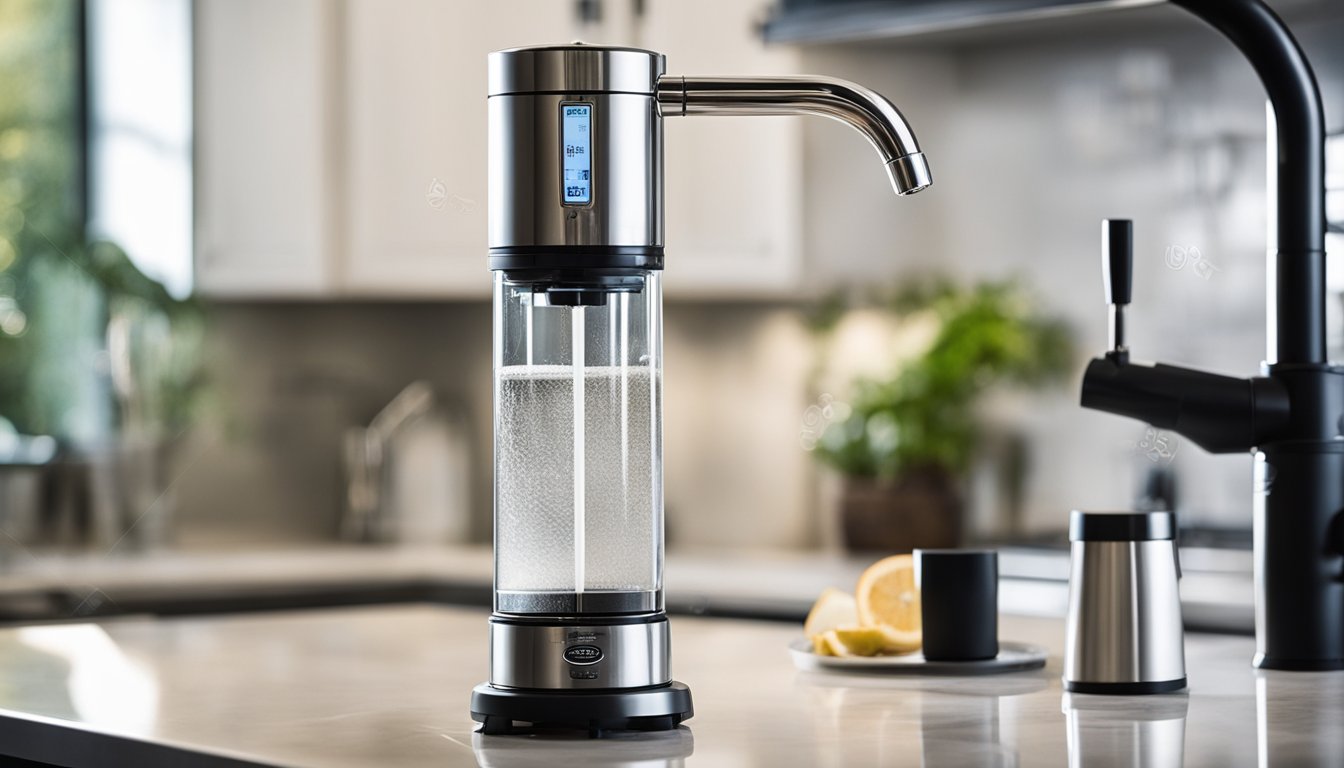
The TMHP system offers a comprehensive 9-stage filtration process. This advanced setup includes sediment, iron, and mixed media pre-filters. These work together to remove a wide range of contaminants from your water.
One key feature is its ability to filter out up to 98% of chemicals, heavy metals, and other pollutants. This high removal rate ensures you get cleaner, safer drinking water.
The system also adds beneficial minerals back into the water. This step improves taste and helps maintain a healthy pH balance. You’ll notice a difference in the flavor and quality of your drinking water.
Maintenance is straightforward with this model. The filters typically need replacement once a year or after 2,000 gallons. This makes it a convenient option for busy households.
Water efficiency is another strong point. The TMHP wastes less water compared to some other filtration methods. This can lead to lower water bills over time.
Installation might seem complex, but most users find it manageable with some basic DIY skills. The system comes with clear instructions to guide you through the process.
While the initial cost may be higher, the long-term benefits often outweigh this. You’ll save money on bottled water and potentially extend the life of your appliances due to reduced mineral buildup.
9) Express Water RO5DX
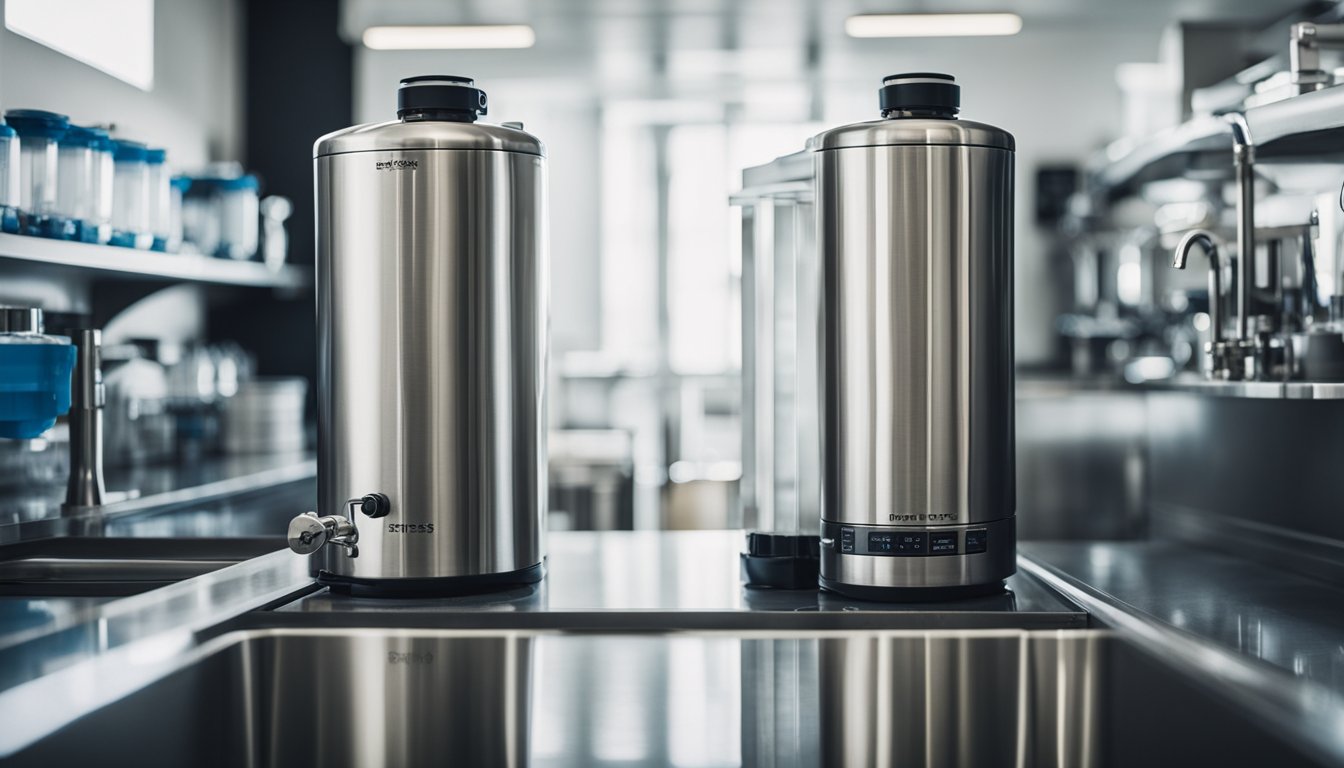
The RO5DX is a 5-stage reverse osmosis system that offers impressive filtration capabilities. It can remove up to 99.99% of contaminants, including lead, chlorine, and bacteria. This system uses real reverse osmosis processing to clean your water effectively.
You’ll find that this filter fits neatly under your sink, making it a convenient option for home use. It has a water flow rate of 0.8 gallons per minute, ensuring you have access to clean water quickly.
The system’s annual cost is around $60, which includes filter replacements. This makes it an affordable long-term solution for your water filtration needs. The filters typically need to be replaced every 3,000 gallons.
User feedback for this system is overwhelmingly positive. Many users appreciate its efficient performance and customer-approved design features. The high user ratings reflect its reliability and effectiveness.
One of the standout features is its NSF certification. The system is certified to NSF Standard 58, which ensures it meets strict public health standards. This certification gives you peace of mind about the quality of your drinking water.
The RO5DX offers a balance of affordability and quality. Its impressive filtration capabilities and efficient performance make it a strong contender in the water filtration market. You’ll likely find that it provides clean, great-tasting water for your household.
10) Watts Premier WP531411
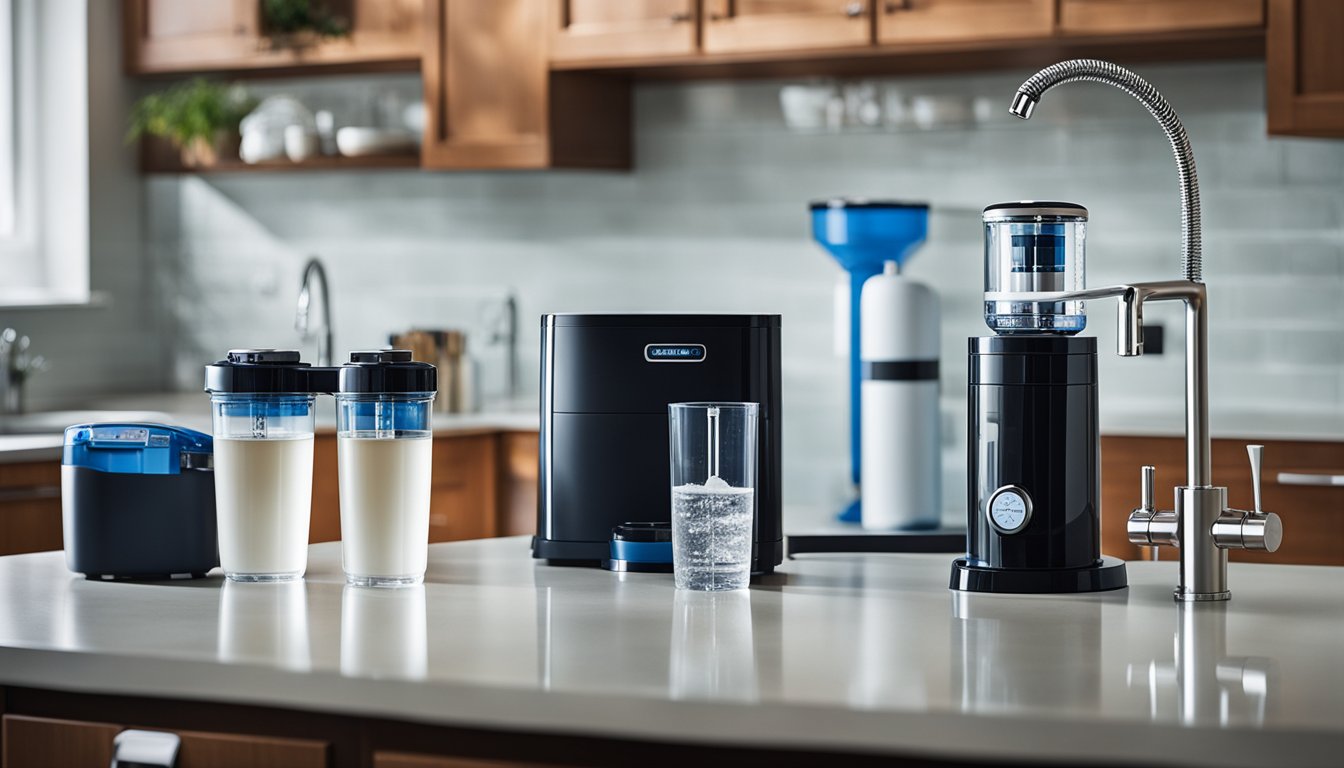
The WP531411 is a powerful reverse osmosis system that can greatly improve your drinking water quality. This four-stage filtration process removes a wide range of contaminants, leaving you with clean, great-tasting water.
You’ll appreciate the superior filtration this system provides. It effectively removes common pollutants like lead, chlorine, and sediment. The reverse osmosis membrane also filters out smaller particles that many other systems miss.
Installation is straightforward, making it a good choice for both renters and homeowners. The system comes with a top-mount, air-gap faucet in a sleek chrome finish. This adds a modern touch to your kitchen while providing easy access to filtered water.
One advantage of this system is its efficiency. It produces about the same ratio of filtered water to waste water as other reverse osmosis units. You can expect roughly 1 gallon of purified water for every 3 gallons processed.
The filter cartridges need replacing periodically to maintain optimal performance. While this does add some ongoing cost, it ensures you always have the cleanest possible water.
For best results, use this system with water that meets certain criteria. The incoming water pressure should be between 40 and 100 psi. The pH level should fall between 2 and 11. These requirements help the system work effectively and last longer.
Understanding Berkey Filters
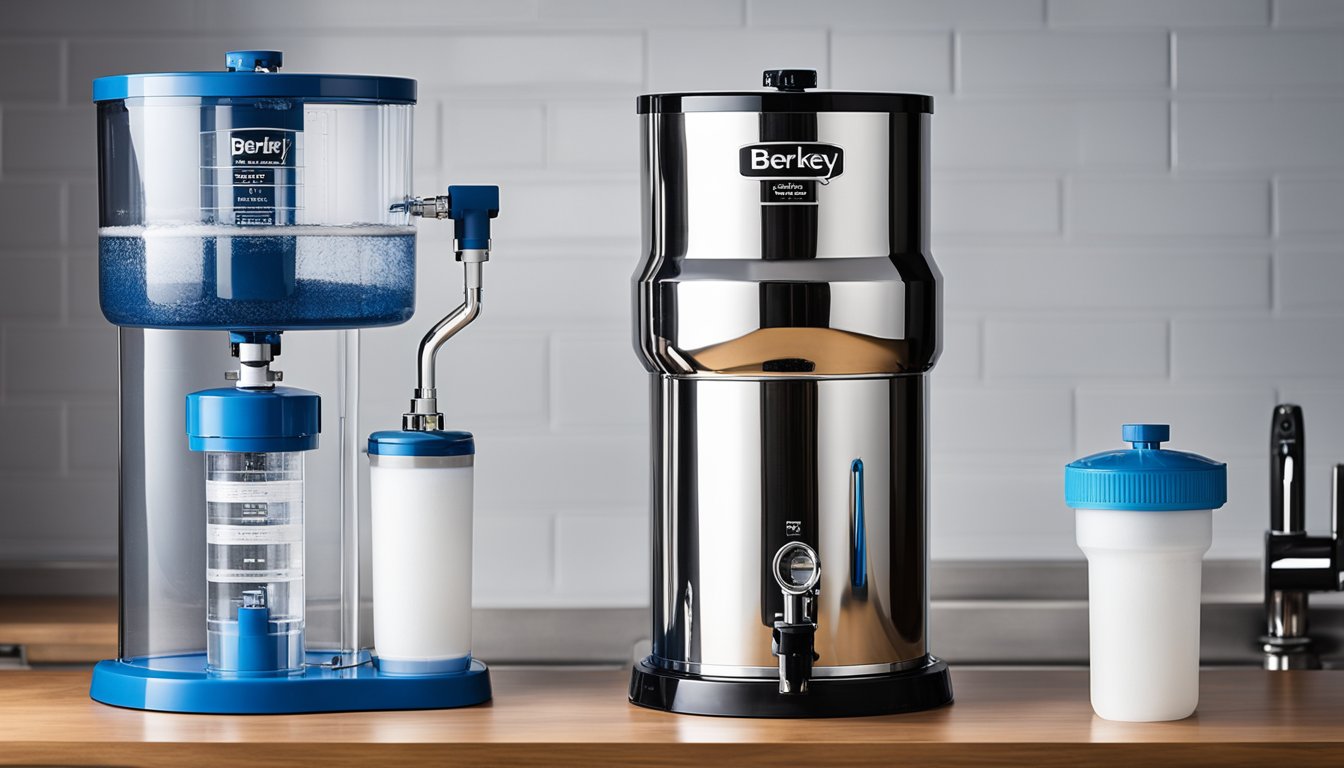
Berkey filters offer a unique approach to water purification. They use gravity and special filter elements to clean water without electricity or plumbing.
How Berkey Filters Work
Berkey filters use a gravity-fed system. You pour water into the top chamber, and it flows through filter elements into the bottom chamber. The filter elements contain tiny pores that trap contaminants.
These pores are so small that they can remove bacteria, parasites, and other harmful microorganisms. They also reduce chemicals, heavy metals, and other pollutants.
The filters use a combination of absorption, adsorption, and microfiltration. This means they can catch different types of contaminants in various ways.
Benefits of Berkey Filters
Berkey filters offer several advantages for water purification. They’re portable and don’t need electricity, making them great for travel or emergency situations.
These filters can handle both treated and untreated water sources. This versatility is useful for camping or areas with unreliable water quality.
Berkey filters have a long lifespan. Each set of filters can clean up to 3,000 gallons of water. This makes them cost-effective in the long run.
The filtration process is thorough but maintains beneficial minerals in the water. This results in clean, great-tasting water that still contains important nutrients.
Understanding Reverse Osmosis Filters
Reverse osmosis filters are powerful water purification systems. They remove a wide range of contaminants, producing clean drinking water.
How Reverse Osmosis Filters Work
Reverse osmosis uses pressure to force water through a semi-permeable membrane. This membrane has tiny pores that block larger molecules and ions. Clean water passes through, while contaminants are left behind.
The process involves several steps:
- Pre-filtration: Removes larger particles
- Membrane filtration: The main reverse osmosis step
- Post-filtration: Final polishing of the water
Reverse osmosis can remove up to 99% of dissolved salts, particles, bacteria, and organics. The system typically includes a storage tank to hold the filtered water.
Benefits of Reverse Osmosis Filters
Reverse osmosis offers many advantages for home water filtration:
- Removes a broad range of contaminants
- Improves taste and odor of water
- Requires minimal maintenance
Reverse osmosis systems provide quick access to clean water. With adequate water pressure, you can get filtered water almost instantly.
These systems are effective at removing:
- Heavy metals like lead and mercury
- Dissolved salts
- Bacteria and viruses
- Chemicals like chlorine and pesticides
Reverse osmosis can produce high-quality water for drinking and cooking. It’s especially useful in areas with poor water quality.
Key Differences Between Berkey and Reverse Osmosis Filters
Berkey and reverse osmosis filters use different technologies to clean water. They vary in how they work, what they remove, and how much they cost. Let’s look at the main ways these two filter types differ.
Filtration Technology
Berkey filters use gravity to pull water through special elements. These elements trap contaminants as water flows down. They can remove many harmful things from water.
Reverse osmosis pushes water through a thin membrane. This membrane blocks tiny particles and chemicals. It uses pressure to force water molecules through while leaving contaminants behind.
Berkey filters can remove over 200 contaminants. Reverse osmosis systems can remove up to 99% of dissolved solids. Both can clean water well, but they do it in different ways.
Maintenance and Longevity
Berkey filters need less upkeep. You clean the elements every few months. They last for years before needing replacement.
Reverse osmosis systems need more care. You must change pre-filters often, usually every 6-12 months. The main membrane lasts 2-3 years.
Berkey filters can clean thousands of gallons before replacement. Reverse osmosis membranes typically handle less water before needing a change.
Cost Considerations
Berkey systems cost less up front. Prices range from $250 to $360. Replacement filters are about $120 per pair.
Reverse osmosis systems can be pricier to start. They also have ongoing costs for filter changes and possible pump replacements.
Over time, Berkey filters often cost less. They need fewer replacements and use no electricity. Reverse osmosis may use more water and power, adding to long-term costs.
Your choice depends on your needs and budget. Think about initial price and long-term expenses when deciding.
Frequently Asked Questions
Berkey filters and reverse osmosis systems differ in many ways. Let’s explore their key differences, effectiveness, costs, and maintenance needs.
What are the main differences between Berkey water filters and reverse osmosis systems?
Berkey filters use gravity to push water through special elements. They’re portable and don’t need electricity.
Reverse osmosis systems use pressure to force water through a membrane. They’re usually installed under your sink and need a power source.
What contaminants do Berkey filters remove compared to reverse osmosis filters?
Berkey filters remove many contaminants like bacteria, viruses, and chemicals. They can filter out over 200 contaminants.
Reverse osmosis systems excel at removing dissolved solids. They can reduce salt, minerals, and some chemicals from water.
Are there any notable health impacts associated with using Berkey filters versus reverse osmosis systems?
Berkey filters keep beneficial minerals in your water. This can be good for your health.
Reverse osmosis removes most minerals. You might need to add minerals back to your water after filtering.
Which filtration system is more cost-effective in the long run, Berkey filters or reverse osmosis?
Berkey filters often cost less over time. Their filters last longer and are cheaper to replace.
Reverse osmosis systems have more parts to replace. This can make them pricier in the long run.
How do the maintenance requirements of Berkey water filters compare to those of reverse osmosis systems?
Berkey filters need simple cleaning and occasional filter changes. You can do this yourself easily.
Reverse osmosis systems need more frequent maintenance. They have multiple filters and membranes to replace.
What are the environmental implications of using Berkey filters compared to reverse osmosis systems?
Berkey filters produce less waste. They don’t need electricity and their filters last a long time.
Reverse osmosis systems create more wastewater. They also use electricity, which can impact energy use.